Australia’s bifurcated office market – half-empty towers in the capitals and
relatively tight conditions in the regions – has played neatly into Castlerock
Property’s hands.
Rather than chasing big city projects, the private Melbourne-based fund
manager has doubled down on a narrow but durable niche: government-leased
office assets in regional centres, where, as CEO Adam Bronts puts it, they’re
often “the only horse in town.”
He says that focus has delivered “slow, steady, consistent growth,” with $643m
in funds under management across 20 properties and a 98% occupancy rate.
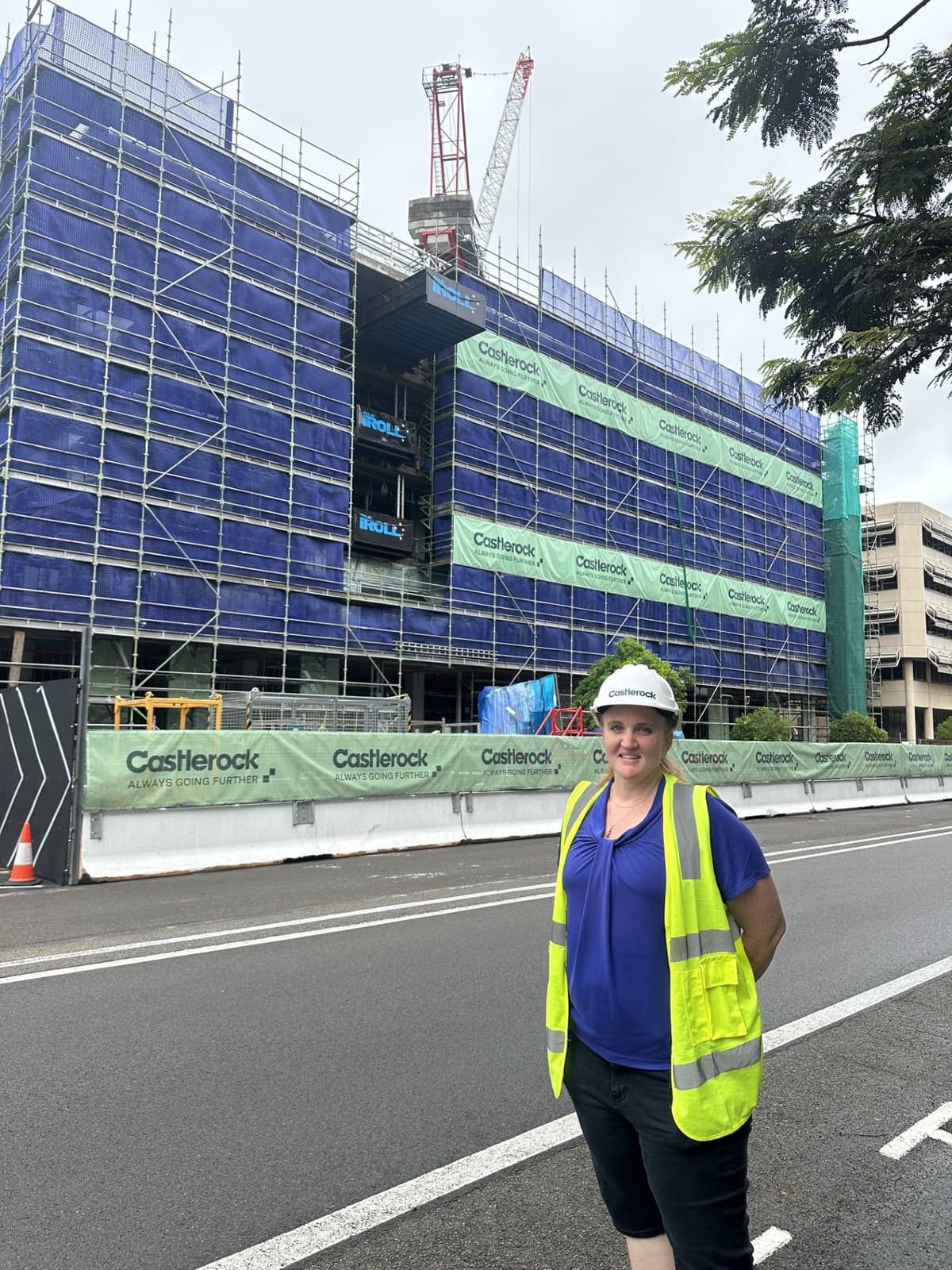
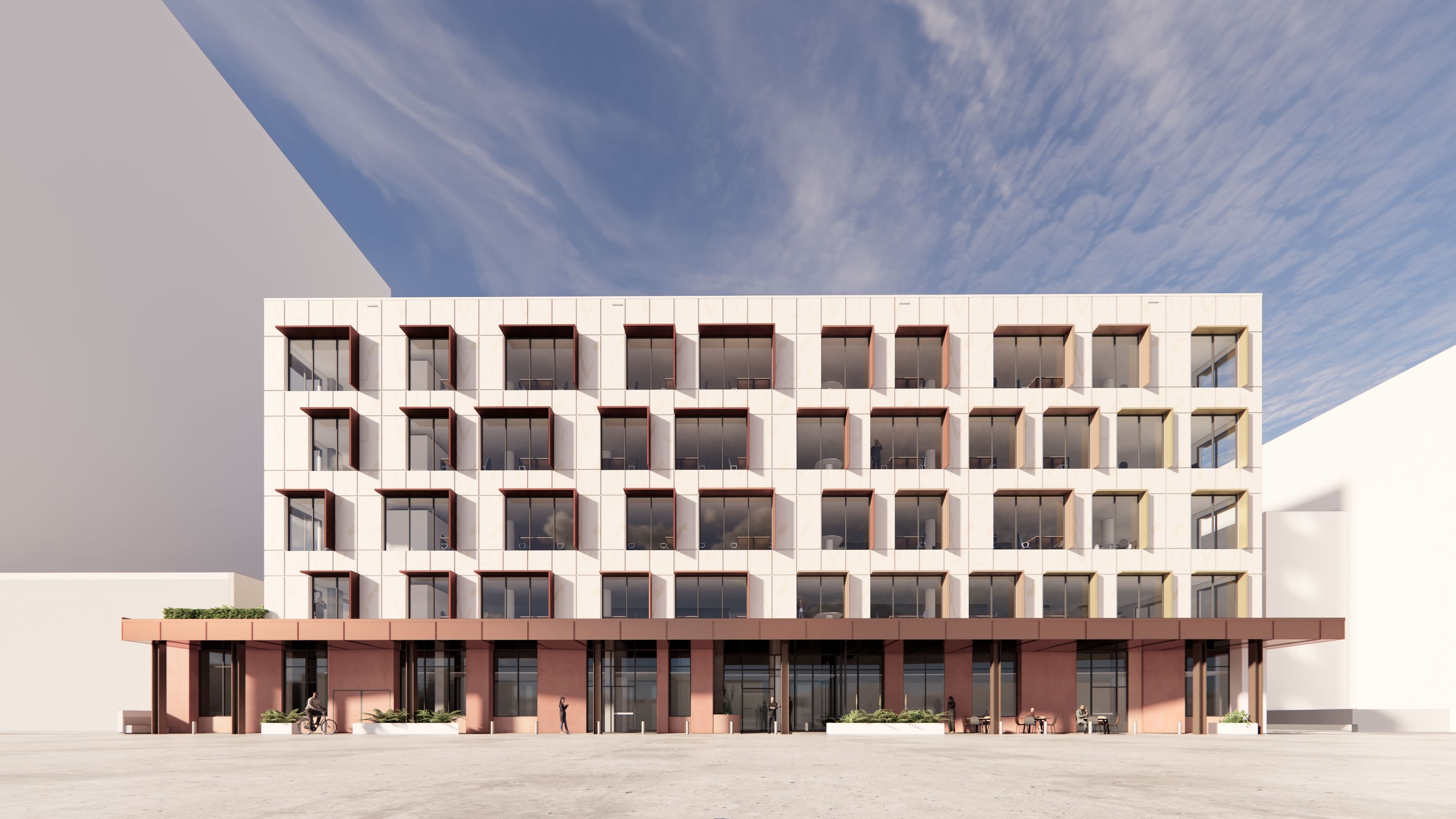
The next step, Bronts said, is greater sustainability, led by its first carbonneutral
project at 158 Walker Street in Townsville, expected to be completed by
next July.
Speaking with Green Street News, Bronts discussed the firm’s acquisition
strategy, its regional advantage, and why government tenants remain the
cornerstone of its long-term growth.
You’ve built a niche around government-leased assets in regional
locations. How did that strategy start?
It really began about 20 years ago, when we identified a gap in the market.
Government accommodation requirements weren’t being met to their standards,
and a lot of those assets were owned by mum-and-dad investors who didn’t
have the capital or expertise to manage them properly.
Government tenants have the same requirements for office accommodation
whether they’re in Melbourne’s CBD or a regional town like Broken Hill or
Carnarvon. We saw an opportunity for a professional landlord to come in,
develop or refresh those assets, and manage them to government standards.
We started out developing Centrelink offices and became known as the
“Centrelink guys” for quite a while, delivering about 25 of those buildings in
regional Australia. From there, we expanded to other Commonwealth and state
government agencies, which led to the creation of the Castlerock Government
Property Fund about 10 years ago.
That fund is now our flagship. Once a government tenant enters the Castlerock
ecosystem, we handle everything in-house-design, construction, property
management and facilities management – so they’re always dealing with the
same people who built and own the asset.
How has the strategy evolved over time?
The tenant base hasn’t changed; it’s always been about government. What’s
evolved is the scale. We started with $6m projects, now we’re developing $60m
buildings, like our latest in Townsville.
Castlerock has always been about slow, steady, consistent growth, and the
fund reflects that same approach. Reliable, disciplined, and long-term.
Why focus on regional locations rather than metro areas?
Because of the specialised nature of government requirements, we’re often the
only building in town that can meet their needs.
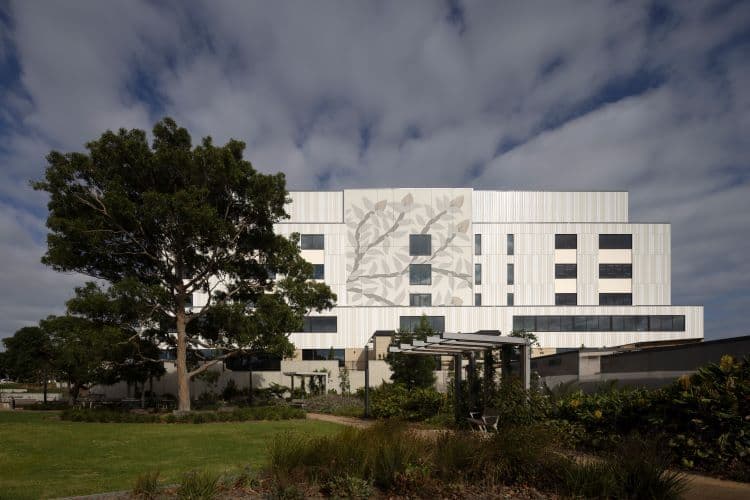
Take our existing asset at 445 Flinders Street in Townsville – it’s 11,500 sq m of
A-grade office accommodation built to an importance level four standard.
There’s nothing else like it locally, and with such a thin leasing market, no
developer is going to spec-build something that size without a tenant.
So we’ve carved out that regional niche. We’re the only horse in town, and that
works for both us and our government clients.
What’s your selection process when you’re looking at acquisitions?
We’re location-agnostic – Broken Hill, Carnarvon, Tasmania, Darwin – it doesn’t
matter. The key questions are: How sticky is the government tenant, what
essential services does the building provide, and does it have a pathway to net
zero?
We’re also very selective. We’ll pass on 10 or 15 assets before we buy one. Our
rule is that at least 75% of any building must be leased to government.
Currently, 96% of our portfolio meets that benchmark.
How has hybrid work affected your portfolio?
Government has been a leader in flexible working policies, but the biggest shift
has been in CBDs. In the regions, particularly in customer-facing buildings like
child protection and justice services, occupancy has stayed high.
These are essential service hubs, so the same tenants remain in the same
buildings. We haven’t seen any downsizing; if anything, some agencies have
expanded post-Covid.
Tell me about your new carbon-neutral Townsville development.
We’re building a brand-new Commonwealth Government office in Townsville
that will be completed by July next year. It will be our first fully carbon-neutral
building, featuring solar power, water recycling and highly efficient systems.
Government is mandating higher sustainability standards for the buildings they
occupy, and our investors are also seeing the benefits. We’ve consistently
outperformed the market on NABERS energy ratings, and now we’re pushing
into water, waste and indoor environment ratings to stay ahead of the curve.
The building is essentially fully leased to the Commonwealth, with some
groundfloor retail available for a café operator.
With higher construction costs, how are you managing the development
environment?
It’s a challenging environment – opportunities are few and far between. But
because we manage design and construction in-house, no stone goes
unturned.
When we procure trades, we go out to multiple subcontractors and make sure
they’re the right fit and the pricing is right. We’re not building to sell, we’re
building to own long-term. So quality matters.
Having the ability to make design and procurement decisions quickly and work
directly with our contractors gives us control and protects quality and value.
What’s in the pipeline?
We’re seeing some good buying opportunities at the moment and intend to take
advantage of them. But the reality is, people tend to hold onto the types of
assets we chase, so they’re hard to come by.
We’ve got a few developments in the works along the eastern seaboard and
one in WA. These projects take time to bring together, and that’s fine with us.
We’ve never been about hitting arbitrary targets like “a billion dollars under
management.” We grow when we find the right asset or development opportunity.
Where do you see the best buying opportunities right now?
We like assets with shorter WALEs because they’re cheaper, and we’re
comfortable taking that risk.
If you’re buying a $40m or $50m building with only two years left on the lease,
that scares a lot of people. But with our experience, we can manage that risk
effectively, and that’s where we often find value.
Written by Layton Holley from Green Street News